
This guide explains how residential and commercial air conditioning services typically compare, so they can choose the right option with fewer surprises.
What counts as “residential” air conditioning services in Sydney?
Residential services are designed for houses, apartments, and small dwellings. They usually focus on comfort, quiet operation, energy efficiency, and simple controls.
Most residential work includes system selection, supply and installation, maintenance, repairs, and sometimes upgrades like zoning, smart thermostats, or improved filtration. Access constraints, noise rules for outdoor units, and strata requirements can also shape what’s possible.
What counts as “commercial” air conditioning services in Sydney?
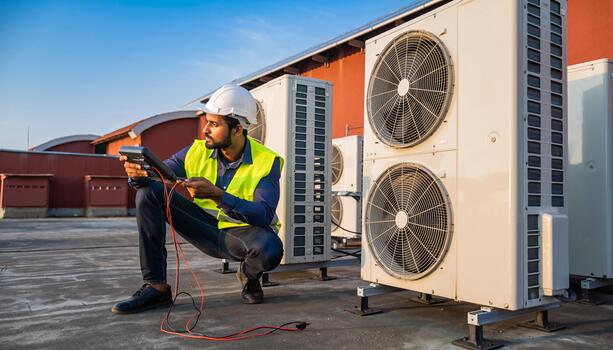
Commercial environments such as offices, retail outlets, hospitality venues, warehouses, medical facilities, and multi-tenant buildings often rely on specialised air conditioning services Sydney providers to manage climate control at scale. These services typically prioritise operational uptime, regulatory compliance, and the ability to control multiple zones with distinct temperature and airflow requirements.
In practice, air conditioning services Sydney for commercial projects frequently involve larger and more sophisticated systems, complex ductwork layouts, and integration with building management platforms. Work is often scheduled after hours to minimise business disruption and supported by structured maintenance programs. Additional deliverables may include airflow balancing, control system optimisation, and ongoing performance reporting to maintain efficiency and reliability.
Which air conditioning systems are most common in Sydney homes?
In many Sydney homes, split systems and ducted reverse-cycle systems are the most common. They suit typical room layouts and can be installed without major building changes, depending on access.
Split systems are often chosen for single rooms or smaller homes because they are straightforward and cost-effective. Ducted systems are usually chosen when they want whole-home cooling and heating with a cleaner look and zoning options.
Which air conditioning systems are most common in Sydney businesses?
Sydney businesses often use multi-split systems, ducted systems, packaged units, or VRF/VRV systems. The choice depends on floor area, tenancy layout, operating hours, and the need for multiple zones.
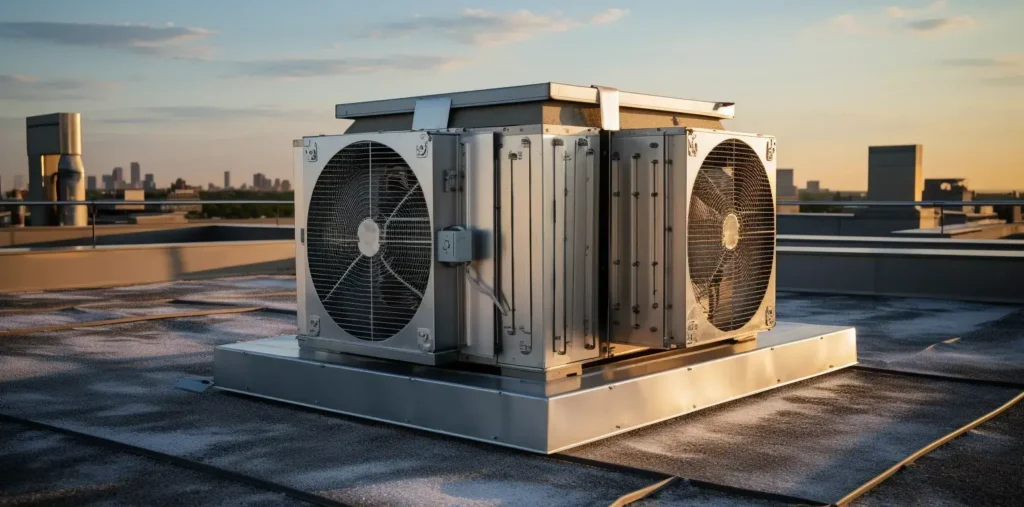
VRF/VRV is common where many indoor units need independent control and high efficiency. Packaged rooftop units can suit open-plan retail or industrial spaces, where they want robust output and simpler distribution.
How do residential and commercial installations differ?
Residential installations are usually shorter, simpler, and more standardised. They often involve a single outdoor unit, one or more indoor units, and basic electrical work, with minimal disruption.
Commercial installations tend to involve more coordination and planning. They may require staging, tenancy coordination, roof access management, isolations, larger electrical upgrades, and careful commissioning to ensure each zone performs to spec.
What approvals and compliance issues matter in Sydney?
Homes can involve council rules, strata by-laws, noise requirements, and safe placement for condensers. They may also need approval for visible outdoor units in apartments or heritage areas.
Commercial projects can include stricter compliance expectations, fire and penetrations rules, mechanical ventilation considerations, and documented commissioning requirements. Depending on the building type, they may need coordination with building managers and compliance documentation for audits.
How do maintenance needs compare between homes and businesses?
Residential maintenance is often seasonal and focused on keeping airflow clean and performance stable. A typical service includes filter cleaning, coil checks, drainage inspection, refrigerant assessment, and confirming safe electrical operation.
Commercial maintenance is usually scheduled more frequently because systems run longer and downtime costs more. Businesses often prefer a maintenance plan with service records, proactive parts replacement, and performance checks that reduce breakdown risk during peak demand.
What is different about repairs and response times?
Residential repairs often prioritise restoring comfort quickly and affordably. They might accept a short wait if parts are needed, especially outside peak summer weeks.
Commercial repairs are often treated as operational risks, especially in hospitality, medical, and server-heavy environments. They typically want faster response times, temporary solutions if needed, and clearer reporting so they can justify decisions to management or landlords.
How do costs typically differ between residential and commercial services?
Residential costs are usually easier to estimate because the scope is smaller and equipment options are narrower. Quotes often centre on unit size, brand, installation complexity, and whether electrical upgrades are needed.
Commercial costs can vary widely because design, access, controls, and commissioning play a bigger role. They may also pay for compliance documentation, after-hours labour, traffic management for busy sites, or staged works across multiple tenancies.
How can they choose the right provider in Sydney?
They usually get the best outcome by choosing a provider experienced in their property type. A team that mainly installs home splits may not be suited to complex zoning and control issues, while a commercial-first provider may not prioritise quiet operation and aesthetics for a small apartment.
They can also look for clear quoting, realistic timeframes, transparent warranty handling, and a willingness to explain trade-offs. For commercial sites, they should ask how documentation, compliance, and ongoing maintenance records are managed.
What questions should they ask before booking a service?
They can avoid most issues by asking a few practical questions upfront. These questions help confirm the scope, the expected result, and what happens if something goes wrong.
- Which system type is best for the space and why?
- What size and capacity do they recommend, and how was it calculated?
- What is included in installation or servicing, and what is excluded?
- Are there likely access issues, strata constraints, or noise considerations?
- How is warranty handled, and who covers labour for warranty claims?
- What maintenance schedule do they recommend for Sydney conditions?
- For businesses, what commissioning and service documentation is provided?
What is the simplest way to decide between residential and commercial options?
They can usually decide by looking at scale, complexity, and risk. If it is a single dwelling with straightforward comfort needs, residential services are typically the right fit.
If it involves multiple zones, long operating hours, compliance requirements, or revenue-impacting downtime, commercial services are usually the better match. When in doubt, they can ask for a site visit and a written scope that clarifies exactly what is being delivered.
FAQs (Frequently Asked Questions)
What is the difference between residential and commercial air conditioning services in Sydney?
Residential air conditioning services in Sydney cater to houses, apartments, and small dwellings, focusing on comfort, quiet operation, and energy efficiency. Commercial services cover offices, retail, hospitality venues, warehouses, and multi-tenant buildings, emphasizing scalability, uptime, compliance, and zoned control.
Which air conditioning systems are most commonly used in Sydney homes?
Split systems and ducted reverse-cycle systems are the most common in Sydney homes. Split systems suit single rooms or smaller homes due to their cost-effectiveness and simplicity. Ducted systems provide whole-home cooling and heating with zoning options and a cleaner look.
What types of air conditioning systems are typical for Sydney businesses?
Sydney businesses often use multi-split systems, ducted systems, packaged units, or VRF/VRV systems. The choice depends on factors like floor area, tenancy layout, operating hours, and the need for multiple zones. VRF/VRV systems offer independent control and high efficiency for many indoor units.
How do installation processes differ between residential and commercial air conditioning in Sydney?
Residential installations tend to be shorter and simpler with a single outdoor unit and basic electrical work causing minimal disruption. Commercial installations require more coordination such as staging, tenancy coordination, roof access management, larger electrical upgrades, and precise commissioning to meet zone specifications.
What compliance approvals are required for air conditioning installations in Sydney?
Residential installations may need to comply with council rules, strata by-laws, noise restrictions, and safe condenser placement. Commercial projects face stricter compliance including fire safety rules, mechanical ventilation standards, documented commissioning requirements, and coordination with building managers for audits.
How should I choose the right air conditioning service provider in Sydney?
Selecting a provider experienced in your property type is crucial. Residential properties benefit from providers focusing on quiet operation and aesthetics while commercial sites require expertise in complex zoning, controls, documentation, compliance management, clear quoting, realistic timeframes, transparent warranties, and ongoing maintenance support.
More about Air Conditioner Service Hornsby: What’s Included in a Professional Tune-Up?