
The Ultimate Guide to Choosing Outdoor Tiles: Durability, Slip Resistance, and Style
Selecting the right surfacing for your exterior space is more than a design choice; it is a critical investment in safety and longevity. In Australia, our harsh UV rays and varied climate demand materials that perform under pressure. Whether you are renovating a coastal patio in Perth or a family poolside in Brisbane, understanding the technical specifications of your materials is essential.
This ultimate guide to choosing outdoor tiles: durability, slip resistance, and style provides a comprehensive framework to help you navigate the complexities of P-ratings, PEI scales, and material aesthetics. By the end of this article, you will have the expertise required to select tiles that not only look stunning but remain functional for decades.
See more: How to Use Subway Tiles Like a Pro: Kitchen & Bathroom Styling Tricks for 2025
Understanding Outdoor Tiles: The Foundation of Exterior Design
Outdoor tiles are specifically engineered units—typically made of porcelain, natural stone, or concrete—designed to withstand environmental stressors that indoor tiles cannot. Unlike interior flooring, outdoor variants must manage thermal expansion, moisture absorption, and heavy foot traffic while maintaining structural integrity.
Why Material Choice Matters
In the Australian context, “standard” tiles often fail due to the lack of frost resistance or insufficient grip when wet. Choosing a dedicated outdoor tile ensures the product has been kiln-fired at higher temperatures or treated with anti-slip coatings to meet local building standards.
The Technical Pillars: Durability and Slip Resistance
When evaluating options, you must look beyond the surface color. Technical ratings determine how your floor will age and how safe it will be for your family.
1. Slip Resistance (The P-Rating System)
In Australia, slip resistance is measured using the “Pendulum Test,” resulting in a P-rating from P0 to P5.
- P3: Suitable for covered outdoor areas like balconies or porches.
- P4: The standard for most uncovered patios and walkways.
- P5: The highest level of grip, mandatory for pool surrounds and steep ramps.
2. Durability and Hardness (The PEI Scale)
The Porcelain Enamel Institute (PEI) rating measures the abrasion resistance of glazed tiles:
- PEI 3: Suitable for light residential traffic.
- PEI 4: Recommended for high-traffic residential areas and patios.
- PEI 5: Industrial grade, ideal for commercial exterior spaces.
3. Water Absorption Rate
For a tile to be “frost-proof” and resistant to mold, it should have a water absorption rate of less than 0.5%. Porcelain is the gold standard here, as it is nearly impervious to moisture.
Popular Outdoor Tile Materials for Australian Homes
| Material | Pros | Cons | Best For |
| Porcelain | Extremely durable, low maintenance, huge variety. | Can be expensive; requires specific adhesives. | Patios, Pools, Walkways |
| Travertine | Naturally cool underfoot, timeless aesthetic. | Requires sealing; porous nature. | Pool decks, Mediterranean styles |
| Granite | Nearly indestructible, high slip resistance. | Heavy to install; limited color palette. | Driveways, High-traffic paths |
| Slate | Unique textures, very high grip. | Can “cleft” or flake over time. | Rustic landscapes, Feature walls |
Benefits of High-Quality Outdoor Tiling
Investing in premium exterior tiles offers several long-term advantages:
- Increased Property Value: A seamless transition from indoor to outdoor living (indoor-outdoor flow) is a major selling point in the Australian real estate market.
- Safety Assurance: Correct slip-rated tiles significantly reduce the risk of accidents in wet areas.
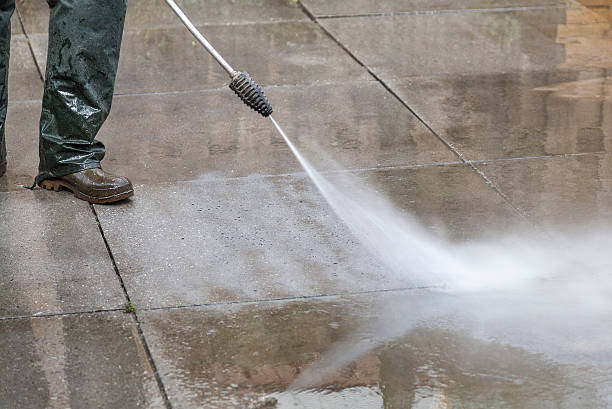
- Low Maintenance: Unlike timber decking, which requires sanding and oiling, porcelain and stone tiles generally only need a seasonal pressure wash.
- UV Resistance: High-quality tiles will not fade or “chalk” under the intense Australian sun.
Real-World Use Cases
The Coastal Retreat
For homes near the ocean, salt resistance is vital. Textured Porcelain is the ideal choice here. It mimics the look of timber or stone but won’t corrode or warp due to salt spray.
The Modern Family Poolside
Safety is the priority. A P5-rated Travertine-look porcelain provides the aesthetic of natural stone with the safety of a high-grip surface, ensuring children can run safely without the risk of slipping.
Step-by-Step: How to Choose the Perfect Outdoor Tile
Follow this framework to ensure you make the right purchase:
- Assess the Environment: Is the area covered? Does it get direct sunlight? Is there a pool nearby?
- Determine the Required P-Rating: Consult with your builder or architect to ensure you meet Australian Standards (AS 4586).
- Choose Your Material: Match the material to your maintenance appetite. If you want “set and forget,” choose porcelain.
- Consider Size and Format: Large format tiles (600x600mm or larger) create a modern, spacious feel with fewer grout lines.
- Check Tonal Variation: Look for the “V-Rating” (V1 to V4). A V4 tile has high variation, giving a more natural, stone-like appearance.
Best Practices and Advanced Tips
- Use the Right Grout: Always use a high-quality, flexible, and waterproof grout designed for exterior use to prevent cracking during temperature shifts.
- Seal Natural Stone: If you choose Travertine, Sandstone, or Slate, apply a high-quality penetrating sealer immediately after installation to prevent staining.
- Match Indoor and Outdoor: Many manufacturers produce the same tile in two finishes: a smooth P2 version for inside and a textured P4 version for outside. Use these to create a continuous look.
Common Mistakes to Avoid
- Using Indoor Tiles Outside: Indoor tiles lack the thermal expansion capabilities and slip resistance needed for safety.
- Ignoring the Substrate: Even the best tile will crack if the concrete slab beneath it is unstable. Ensure your sub-floor is cured and level.
- Poor Drainage Planning: Always ensure there is a slight “fall” (slope) away from the house to prevent water from pooling on your new tiles.
Internal Linking Suggestions (Anchor Text Only)
- porcelain vs ceramic tiles for outdoors
- how to clean natural stone pavers
- best pool tile trends Australia
- slip-resistant driveway tiles
Authoritative External References
- Australian Standards for Slip Resistance (AS 4586)
- CSIRO Building Products and Materials Guides
Frequently Asked Questions (FAQ)
What is the best tile for an outdoor patio in Australia?
Porcelain is generally considered the best all-rounder due to its high durability, low porosity, and availability in high slip-resistance ratings (P4 and P5).
Do outdoor tiles need to be sealed?
Porcelain tiles usually do not require sealing. However, natural stone tiles like travertine, sandstone, and granite must be sealed to protect them from stains and moisture penetration.
Can I use dark-colored tiles in full sun?
While visually appealing, dark tiles absorb significant heat. In Australian summers, dark pavers can become too hot to walk on barefoot. Opt for lighter greys, beiges, or tans for sun-drenched areas.
What does a P4 slip rating mean?
A P4 rating indicates a high slip resistance, suitable for most external applications, including walkways and uncovered patios, providing a safe grip level when wet.
How do I clean my outdoor tiles?
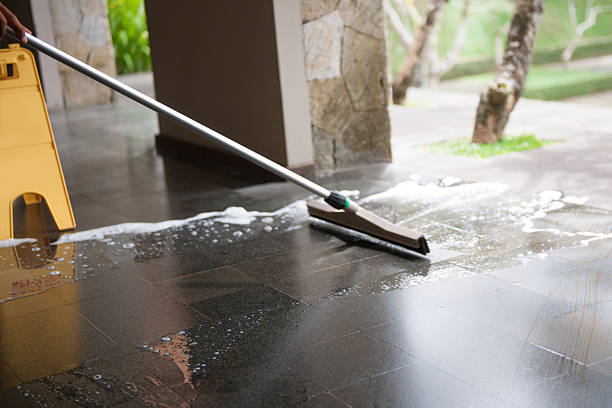
Most outdoor tiles can be cleaned with a broom and a garden hose. For deeper cleans, use a pH-neutral cleaner and a soft-bristled brush or a low-pressure power washer.
Conclusion: Mastering the Ultimate Guide to Choosing Outdoor Tiles: Durability, Slip Resistance, and Style
Choosing the right outdoor tile requires a balance of technical necessity and aesthetic desire. By prioritizing durability, slip resistance, and style, you create a space that is as safe as it is beautiful. Remember to always check the P-rating for safety and the PEI rating for longevity before making your final selection.