
In the world of high-end Australian interior design, a shift is occurring. We are moving away from the “feature wall” and toward a more immersive, sensory experience. This movement is known as material drenching: the bold new way to use natural stone in luxury bathrooms.
By applying a single, exquisite material—such as Marble, Granite, or Quartzite—across every visible surface, designers are creating “monolithic sanctuaries.” This approach prioritizes texture, continuity, and an uncompromising commitment to luxury. For the Australian homeowner, it represents the pinnacle of biophilic design, bringing raw, earthy elegance into the most private room of the home.
See more: The Ultimate Guide to Choosing Outdoor Tiles: Durability, Slip Resistance, and Style
What is Material Drenching?
Material drenching is an architectural and interior design technique where one specific material (most commonly natural stone) is used extensively across floors, walls, vanities, and even ceilings.
Unlike traditional bathroom design, which relies on a mix of tiles, paint, and joinery, material drenching removes visual boundaries. The goal is to create a seamless environment where the eye isn’t interrupted by contrasting textures or grout lines. In luxury Australian homes, this often involves large-format slabs of stone that showcase the natural “veining” as a continuous piece of art.
The Shift from Minimalism to Maximalist Texture
While minimalism focuses on “less is more,” material drenching focuses on “more of the same.” It is a form of maximalism that feels disciplined. By using natural stone in luxury bathrooms in such an expansive way, you aren’t just decorating a room; you are defining its entire volume through geology.
Why Australian Designers are Embracing the Bold New Way
Australia has a unique relationship with light and landscape. From the coastal vibes of Byron Bay to the brutalist luxury of Melbourne, natural stone resonates with our environment.
- Visual Expansion: Drenching a small ensuite in a light stone like Calacatta Manhattan makes the space feel infinitely larger.
- Tactile Luxury: There is a psychological weight to natural stone that porcelain tiles cannot replicate.
- Durability: In the humid Australian climate, natural stone offers a cool, durable surface that ages gracefully.
Key Materials Used in Stone Drenching
Selecting the right stone is critical. Because the material will be everywhere, you must consider its porosity, maintenance, and visual impact.
| Stone Variety | Best For… | Visual Character |
| Arabescato Marble | Master Suites | High-contrast grey veining on white. |
| Travertine | Coastal Retreats | Warm, sandy tones with tactile pits. |
| Quartzite | High-Use Bathrooms | Extremely hard, often with “watercolor” hues. |
| Tundra Grey | Contemporary Ensuites | Sophisticated, muted grey with subtle movement. |
The Benefits of Material Drenching: Beyond Aesthetics
1. Seamless Spatial Flow
By eliminating the transition between floor and wall, the bathroom feels like a single carved-out block of stone. This creates a “spa-like” serenity that is impossible to achieve with fragmented materials.
2. Increased Property Value
In the competitive Australian real estate market (particularly in Sydney and Perth), high-end stone finishes are a significant value-add. Material drenching is viewed as a “permanent” luxury upgrade rather than a fleeting trend.
3. Ease of Maintenance (With Slabs)
Using large-format stone slabs instead of small tiles means fewer grout lines. Grout is typically where mold and discolouration occur. A drenched bathroom with book-matched slabs is remarkably easy to clean with the right pH-neutral sealers.
Real-World Use Cases: How to Apply Material Drenching
The Monolithic Vanity
Instead of a porcelain basin sitting on a wooden cabinet, the vanity is fabricated entirely from the same stone as the walls. The “integrated sink” becomes part of the architecture, appearing as if it was carved directly out of the wall.
The Wet Room Transformation
In Australian “wet room” layouts—where the shower and bath occupy the same floor area—material drenching works perfectly. Wrapping the floor, walls, and a built-in stone bench in Silver Travertine creates a cohesive, waterproof bunker of luxury.
Ceiling Integration
For the ultimate “bold new way” to use stone, some designers are now cladding the ceiling in thin-cut stone veneers. This creates a fully enclosed cocoon that provides unparalleled acoustic insulation and aesthetic impact.
The Framework: How to Execute Material Drenching Correctly
Executing this look requires precision engineering and an expert stonemason. You cannot simply “buy more stone” and hope for the best.
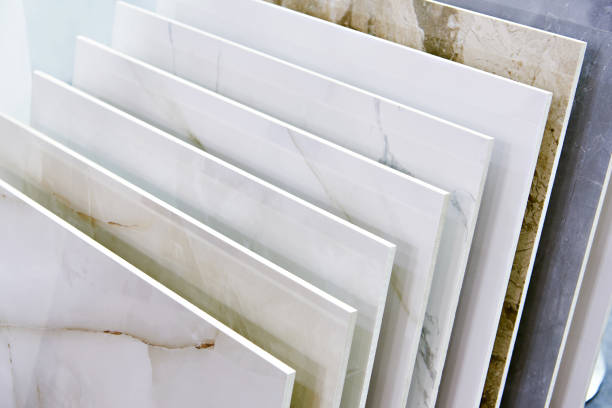
- Selection & Inspection: You must visit the stone gallery to select specific slabs. Ensure you have enough from the same “lot” to maintain color consistency.
- Slab Mapping (Digital Templating): Designers use software to “map” how the veins will flow from the floor up the walls. This is called “vein matching.”
- Structural Reinforcement: Natural stone is heavy. Australian building standards require your subfloor and wall studs to be reinforced to handle the weight of full-height stone slabs.
- Waterproofing & Substrate: High-quality liquid membranes are essential. The stone is the finish, but the waterproofing underneath is what protects the home.
- Sealing: Once installed, the stone must be treated with a high-grade penetrative sealer to prevent staining from soaps and oils.
Common Mistakes to Avoid
- Ignoring Lighting: Stone can be dark or highly reflective. Without a layered lighting plan (ambient, task, and accent), a drenched room can feel like a cold cave.
- Poor Vein Alignment: If the veins of the stone don’t line up at the corners, the “drenched” effect is broken, and the room feels cluttered.
- Neglecting Slip Ratings: When drenching floors, ensure the stone is honed or sandblasted to meet Australian slip-resistance standards (P3 or P4).
- Mixing Lots: Never buy stone for a drenching project in two separate orders. Even natural stone from the same quarry can vary wildly in tone.
Advanced Tips for the Bold Homeowner
Pro Tip: Use “Book-matching” for the focal wall. This is where two mirror-image slabs are placed side-by-side, creating a symmetrical pattern that looks like an open book or a Rorschach test.
Consider using a honed finish rather than polished. A polished finish can be too “glary” when used on every surface. A honed (matte) finish feels softer to the touch and hides water spots more effectively.
Frequently Asked Questions (FAQ)
What is the best stone for material drenching?
Quartzite is often considered the best because it offers the beauty of marble with the hardness of granite, making it resistant to the acidic substances often found in bathrooms.
Is material drenching expensive?
Yes. It is a premium design choice. Costs include the volume of stone required, the specialized labor for slab installation, and the structural reinforcement of the room.
How do I prevent a stone-drenched bathroom from feeling “cold”?
Incorporate underfloor heating (essential in Southern Australia) and use warm lighting. Adding timber accents in the cabinetry or soft linen towels can also balance the hardness of the stone.
Can I use material drenching in a small bathroom?
Absolutely. In fact, using a single material in a small space reduces “visual noise,” which can actually make a small ensuite feel much more expansive and luxurious.
Does the stone need to be sealed often?
For high-traffic luxury bathrooms, we recommend professional sealing every 1–2 years to maintain the integrity of the stone and prevent moisture penetration.
Conclusion: Embracing the Future of Luxury
Material drenching: the bold new way to use natural stone in luxury bathrooms is more than just a trend—it is an evolution of how we perceive private spaces. By committing to a single, powerful material, you create a timeless environment that celebrates the raw beauty of the earth.
If you are planning a renovation in Australia, consult with a specialist stonemason and interior designer early in the process. The result is a bathroom that doesn’t just function—it inspires.
Internal Linking & External References
Internal Linking Suggestions:
- Anchor Text: “Guide to Australian Marble Varieties”
- Anchor Text: “Cost of Luxury Bathroom Renovations”
- Anchor Text: “Slip-Resistant Stone Finishes”
Authoritative External References:
- Refer to the Australian Stone Advisory Association (ASAA) for technical standards on stone installation.
- Consult the Housing Industry Association (HIA) for Australian building codes regarding wet area waterproofing.